How We Size the Right System for Your Shaft Forging Process, including guidelines on How to Choose the Right Shaft Forging Induction Heating System, is not simply a matter of picking a machine by power rating or copying a previous project. In real shaft forging applications, the right system must be matched to the actual workpiece, the required heating result, and the way the forging line runs.
When considering How to Choose the Right Shaft Forging Induction Heating System, it’s vital to analyze the operational demands and compatibility with existing processes.
Furthermore, mastering How to Choose the Right Shaft Forging Induction Heating System can significantly reduce operational costs and enhance productivity.
By knowing How to Choose the Right Shaft Forging Induction Heating System, you can assure a more efficient workflow and better output quality.
In-depth insights into How to Choose the Right Shaft Forging Induction Heating System are essential for industry professionals.
Understanding factors is key to How to Choose the Right Shaft Forging Induction Heating System effectively.
Ultimately, clarity on How to Choose the Right Shaft Forging Induction Heating System will streamline your manufacturing processes.
Our discussions on How to Choose the Right Shaft Forging Induction Heating System will provide valuable strategies for your operations.
Understanding How We Size the Right System for Your Shaft Forging Process and How to Choose the Right Shaft Forging Induction Heating System is crucial for optimizing production.
Recognizing the significance of How to Choose the Right Shaft Forging Induction Heating System can enhance product relevancy.
Addressing How to Choose the Right Shaft Forging Induction Heating System thoroughly will mitigate risks in production.
Ultimately, understanding How to Choose the Right Shaft Forging Induction Heating System is essential for ensuring efficiency and quality.
A comprehensive understanding of How to Choose the Right Shaft Forging Induction Heating System will boost your competitive edge.
This article discusses How to Choose the Right Shaft Forging Induction Heating System in detail.
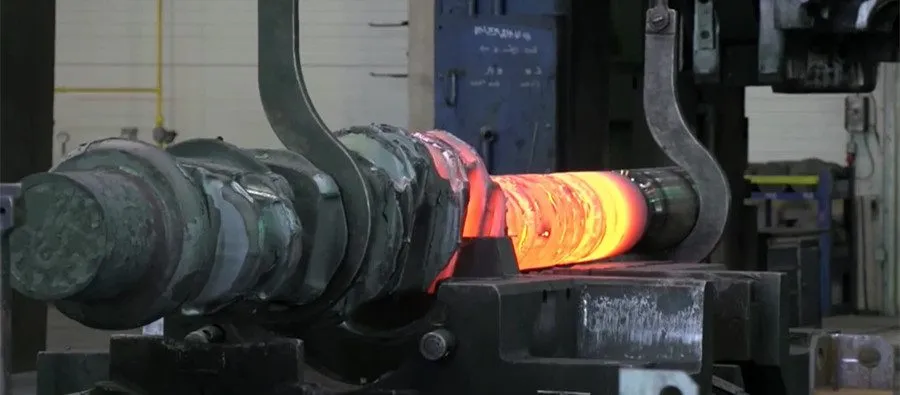
A solid shaft, a hollow shaft, and a stepped shaft may all look similar at first glance, but they often need very different heating strategies. Material grade, shaft diameter, wall thickness, heating length, target forging temperature, throughput, and automation level all influence the final solution. That is why a shaft forging induction heating system should always be sized around the real process rather than treated as a standard machine purchase.
Understanding How to Choose the Right Shaft Forging Induction Heating System can greatly improve output.
In this article, we explain how the right system is selected, what information matters most, and how a properly engineered solution is matched to the actual shaft forging process, including advice on How to Choose the Right Shaft Forging Induction Heating System.
Contents
- 1 Why System Sizing Matters in Shaft Forging
- 2 The First Principle: There Is No One-Size-Fits-All System
- 3 The Key Inputs We Need to Size the System
- 3.1 1. Shaft material
- 3.2 2. Shaft outer diameter
- 3.3 3. Shaft inner diameter, if hollow
- 3.4 4. Shaft total length
- 3.5 5. Required heating length
- 3.6 6. Initial temperature
- 3.7 7. Target forging temperature
- 3.8 8. Production rate
- 3.9 9. Existing handling method
- 3.10 10. Automation requirement
- 3.11 11. Shaft geometry details
- 4 How These Inputs Affect the Final System
- 5 Power Selection
- 6 Frequency Selection
- 7 Coil Design
- 8 Handling and Movement Design
- 9 How We Choose the Heating Method
- 10 Matching the System to the Production Line
- 11 What We Can Deliver After Reviewing the Process
- 12 Why This Engineering Logic Matters to the Buyer
- 13 Conclusion
- 14 How to Choose the Right Shaft Forging Induction Heating System
Why System Sizing Matters in Shaft Forging
For shaft forging, heating performance affects much more than how quickly the workpiece gets hot. It also affects temperature uniformity, forging consistency, scale formation, dimensional stability, and downstream heat treatment results.
Strategizing on How to Choose the Right Shaft Forging Induction Heating System ensures a smoother operation.
If the system is not properly matched to the process, common problems can appear, including:
- cold ends on long shafts
- excessive temperature gradients
- overheating at shoulders or diameter transitions
- insufficient core temperature
- surface overheating on solid sections
- unstable heating on hollow or stepped shafts
- soft spots and inconsistent forging conditions
These are not just heating problems. They become production problems, quality problems, and cost problems.
A well-sized shaft forging induction heating system helps avoid these risks by matching the equipment design to the actual shaft geometry and production target.
By focusing on How to Choose the Right Shaft Forging Induction Heating System, manufacturers can optimize their production lines.
Many factors influence How to Choose the Right Shaft Forging Induction Heating System for your needs.
Identifying the needs specific to How to Choose the Right Shaft Forging Induction Heating System will lead to better results.
Careful consideration of How to Choose the Right Shaft Forging Induction Heating System can streamline operations.
We emphasize How to Choose the Right Shaft Forging Induction Heating System to enhance our service quality.
The First Principle: There Is No One-Size-Fits-All System
Many buyers first ask questions like:
How We Size the Right System for Your Shaft Forging Process is fundamental to production stability.
For consistent results, it’s crucial to implement How to Choose the Right Shaft Forging Induction Heating System effectively.
The principles of How to Choose the Right Shaft Forging Induction Heating System are essential for modern manufacturing approaches.
Each aspect of How to Choose the Right Shaft Forging Induction Heating System plays a role in production success.
Deciding on How to Choose the Right Shaft Forging Induction Heating System requires a nuanced approach to ensure effectiveness.
In-depth analysis of How to Choose the Right Shaft Forging Induction Heating System reduces uncertainties.
Learning about How to Choose the Right Shaft Forging Induction Heating System can profoundly impact operational efficiency.
To effectively address your needs, How We Size the Right System for Your Shaft Forging Process must be analyzed carefully.
There are various factors to consider when determining How We Size the Right System for Your Shaft Forging Process.
Comprehending How to Choose the Right Shaft Forging Induction Heating System is indispensable for success.
Our focus on How to Choose the Right Shaft Forging Induction Heating System will greatly benefit your operations.
- What power should I choose?
- What frequency is suitable?
- Can one machine handle all my shaft sizes?
- How fast can the shaft reach forging temperature?
These are important questions, but none of them can be answered correctly without understanding the actual process.
The reason is simple: different shafts need different power, frequency, coil design, and handling methods.
For example:
- A long solid shaft may require stronger attention to surface-to-core heating balance.
- A hollow shaft may require closer control of wall-thickness-related heating depth.
- A stepped shaft may require contour compensation to prevent overheating at shoulders.
- A high-volume automotive line may prioritize cycle time and repeatability.
- An aerospace or energy application may prioritize traceability, consistency, and process validation.
So the right question is not, “What is your standard model?”
The right question is, “How should the system be configured for this shaft and this forging process?”
For maximum output, mastering How to Choose the Right Shaft Forging Induction Heating System is vital.
The Key Inputs We Need to Size the System
To prepare a meaningful technical proposal, we normally start with the process data. The better the input, the more accurate the solution.
1. Shaft material
Material grade is one of the most important starting points. Carbon steel, alloy steel, stainless steel, and other forgeable ferrous materials do not behave in exactly the same way during induction heating. Material affects target temperature, heating response, and frequency selection.
2. Shaft outer diameter
The shaft outside diameter strongly affects the required power level, heating time, and heating depth strategy. Larger diameters generally require different power and frequency matching than smaller shafts.
3. Shaft inner diameter, if hollow
For hollow shafts, inner diameter and wall thickness are critical. These values affect how heat penetrates through the section and how the system should balance surface heating and temperature uniformity.
4. Shaft total length
Total shaft length influences not only the heating concept, but also the handling concept. Very long shafts may require scan heating, multi-zone heating, or controlled movement during heating.
In summary, How We Size the Right System for Your Shaft Forging Process is essential for maximum efficiency.
Proper analysis of How We Size the Right System for Your Shaft Forging Process leads to better productivity.
Knowing How We Size the Right System for Your Shaft Forging Process is integral for achieving your production goals.
For optimal results, understanding How We Size the Right System for Your Shaft Forging Process is vital.
5. Required heating length
As we delve deeper, consider How We Size the Right System for Your Shaft Forging Process as a key topic.
Not every project needs the entire shaft heated. Some applications require full-length heating, while others need end heating or section heating only. This directly affects coil design, line layout, and cycle planning.
6. Initial temperature
Starting temperature matters because it affects total heating demand. A room-temperature shaft and a preheated shaft do not need the same heating time or energy input.
7. Target forging temperature
The required forging temperature is essential for selecting power and process control logic. Hot forging and warm forging may require different heating strategies.
8. Production rate
Output per hour is a major design factor. A low-volume flexible line and a high-volume forging line may use very different system layouts even for similar shaft sizes.
9. Existing handling method
How the shaft is loaded, positioned, rotated, and transferred affects the final system configuration. In some shops, the shaft is moved manually. In others, it is connected to roller tables, manipulators, or robots.
10. Automation requirement
Manual, semi-automatic, and fully automatic lines require different system architecture. Automation level affects not only handling, but also control logic, buffering, and line synchronization.
11. Shaft geometry details
If the shaft has shoulders, splines, stepped sections, or major diameter changes, this must be considered early. These geometry changes often create the biggest heating challenges and usually require custom coil design.
How These Inputs Affect the Final System
Once the process data is clear, the next step is to translate it into the actual system concept.
Understanding and optimizing How We Size the Right System for Your Shaft Forging Process will lead to improvements.
Power Selection
System power is selected according to shaft diameter, material, heating length, and throughput requirement.
If the customer needs faster cycle time, higher throughput, or larger heated sections, the system may require higher available power. But power is never selected in isolation. More power does not automatically mean a better result. It must be matched to the workpiece and the process target.
The goal is not simply to heat the shaft quickly. The goal is to heat it correctly.
Frequency Selection
Frequency is matched to the required heating depth and shaft section size.
This is especially important in shaft forging because many shafts require a balance between surface heating speed and core temperature development. If frequency is not matched properly, the system may overheat the surface before the center reaches the required forging temperature, or fail to provide the right heating profile for hollow or stepped shafts.
That is why frequency selection must be based on real shaft geometry and real forging requirements, not guesswork.
Coil Design
In shaft forging, the coil is one of the most critical parts of the entire system.
The coil design directly affects:
- heating speed
- axial temperature uniformity
- surface-to-core consistency
- energy efficiency
- risk of local overheating
- final forging quality
Different shaft applications may use different coil concepts, such as:
- encircling coils
- multi-turn coils
- scan heating coils
- single-shot coils
- multi-zone coils
For long shafts, scan heating or multi-zone heating is often preferred to improve profile control.
For stepped shafts, the coil may need contour compensation to reduce overheating at shoulders.
For hollow shafts, wall thickness and heating depth must be considered carefully.
For splined shafts, the design must help reduce local hot spots.
Ultimately, How We Size the Right System for Your Shaft Forging Process impacts quality assurance.
This is one of the clearest areas where a real shaft forging system differs from a general-purpose induction heater.
Handling and Movement Design
System sizing is not only about electrical design. It is also about how the shaft moves through the process.
Depending on the project, the system may include:
- manual loading
- roller table transfer
- shaft rotation during heating
- axial movement
- automatic loading and unloading
- manipulator integration
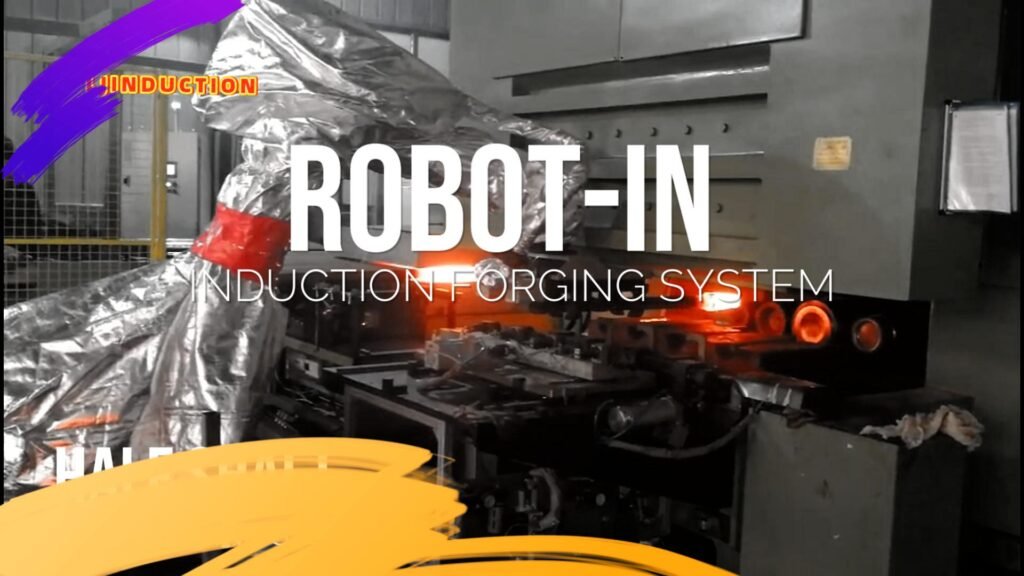
- robot integration
- single-station heating
- multi-station heating
- continuous heating line arrangement
For long shafts in particular, rotation and controlled movement can play a major role in temperature uniformity and repeatability.
How We Choose the Heating Method
The heating method depends on shaft geometry, required heating length, and production rhythm.
Single-shot heating
By focusing on How We Size the Right System for Your Shaft Forging Process, we ensure success.
This is usually more suitable for shorter heated sections or applications with higher takt demand.
Scan heating
This is often a better choice for very long shafts or section heating where the heated zone needs to move progressively.
Multi-zone heating
This is preferred when better profile control is needed across different shaft sections, especially for long or complex shafts.
The final method is chosen by balancing heating quality, output requirement, and line integration needs.
Matching the System to the Production Line
A shaft forging induction heating system must also fit the real production environment.
That means the final proposal may include integration with:
- forging presses
- hammers
- manipulators
- robots
- conveyors
- roller tables
- existing shaft handling systems
The system can be designed for:
- manual loading
- semi-automatic transfer
- fully automatic forging line integration
- single-line or multi-line arrangement
- batch or continuous production setup
For retrofit projects, this is especially important. Many customers are replacing gas-fired or oil-fired furnaces and want to know whether induction heating can fit into the existing forging cell. In many cases, the answer is yes, but the layout, synchronization, buffering, and recipe logic must all be matched to the real line.
What We Can Deliver After Reviewing the Process
When enough process information is available, we can usually provide a much more useful proposal than a simple quotation sheet.
That proposal may include:
- heating solution recommendation
- power and frequency proposal
- coil design concept
- heating method recommendation
- line layout suggestion
- automation recommendation
- integration direction for the existing line
This helps the customer understand not only what system is recommended, but why that system fits the process.
We tailor our insights on How to Choose the Right Shaft Forging Induction Heating System to meet specific needs.
Why This Engineering Logic Matters to the Buyer
For the customer, correct system sizing creates value in several ways.
It helps improve:
- heating consistency
- forging repeatability
- control of long shafts and stepped shafts
- response time for different shaft sizes
- line efficiency
- process stability
It also helps reduce:
- scale formation
- risk of decarburization
- local overheating
- scrap and rework
- unnecessary machining allowance
- hidden costs caused by unstable heating
In other words, correct system sizing is not just an engineering step. It is the foundation of reliable shaft forging production.
Conclusion
The right shaft forging induction heating system is not selected by guesswork, and it is not defined by one fixed model. It is sized according to the actual shaft forging process.
Different shaft materials, diameters, lengths, wall thicknesses, heating lengths, production rates, and automation targets all lead to different system solutions. Power, frequency, coil design, heating method, and handling arrangement must work together as one process-matched system.
That is how the system is matched to the actual shaft forging process.
If you want a useful proposal, the best starting point is simple: share the real shaft data and the real production target. Once those are clear, the right heating solution becomes much easier to define.
How to Choose the Right Shaft Forging Induction Heating System
Take time to review How We Size the Right System for Your Shaft Forging Process for better insights.
Make sure to incorporate How We Size the Right System for Your Shaft Forging Process into your analysis.
The essence of production lies in How We Size the Right System for Your Shaft Forging Process.
Understanding the nuances of How We Size the Right System for Your Shaft Forging Process is critical.
By focusing on How We Size the Right System for Your Shaft Forging Process, we can enhance the process.
In conclusion, How We Size the Right System for Your Shaft Forging Process plays a pivotal role.