Contents
Introduction to Circuit Induction Heaters
A circuit induction heater is a state-of-the-art heating solution that leverages electromagnetic induction to heat materials efficiently and precisely. Unlike traditional heating methods, which depend on direct contact or external heating elements, circuit induction heaters directly generate heat within the material being heated. This makes the process faster and more energy-efficient. Induction heating is especially beneficial in industries like automotive manufacturing, electronics, and healthcare, where precision and speed are paramount.
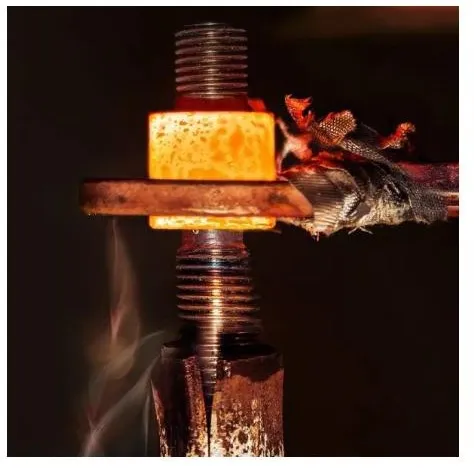
Induction heating works through the creation of an electromagnetic field that induces electrical currents within the material, causing it to heat up. The induction circuit design determines how effectively this process occurs. The ability to control and direct the heating process makes it ideal for tasks that require precision, such as metal hardening, brazing, or soldering.
As industries continue to emphasize energy-efficient processes, the use of circuit induction heaters is on the rise. Portable induction heaters have further expanded the versatility of this technology, allowing for mobile applications where traditional heating methods would be impractical.
Key Benefits & Technical Parameters of Circuit Induction Heaters
The circuit induction heater offers multiple advantages, making it a preferred choice for industries looking to optimize heating processes. Here are the 5 main benefits:
Energy Efficiency
One of the standout features of circuit induction heaters is their exceptional energy efficiency. Compared to traditional heating systems, these heaters can operate at over 90% efficiency, significantly reducing energy waste and lowering operating costs. For large-scale industrial operations that rely on consistent heating cycles, induction circuits provide a much more cost-effective solution. The rapid and direct heating minimizes heat loss, making it a greener option for the environment.
Faster Heating Times
Induction heaters are known for their quick response times. Unlike traditional methods, which can require extended warm-up periods, circuit induction heaters provide immediate heat upon activation. This is particularly beneficial for industrial applications that require rapid cycle times to maintain high productivity levels. The heat is generated directly in the workpiece, reducing the time it takes to reach the desired temperature.
Precision and Control
Induction heating provides excellent control over the heat distribution, allowing for precise, localized heating. This level of control is essential in industries like aerospace and electronics, where components must be heated to exact specifications. For example, induction circuits can be used to harden specific areas of a metal workpiece without affecting the surrounding material. This is critical for tasks like metal hardening or soldering in the electronics industry.
Versatility in Applications
The versatility of circuit induction heaters makes them suitable for a wide range of applications. These heaters are used for tasks such as metal hardening, brazing, soldering, forging, and even in pipe welding. The ability to apply heat to a variety of materials, including metals and alloys, makes induction heating an indispensable tool across many sectors. Additionally, portable induction heaters allow for on-site use, offering flexibility for applications in remote locations or in tight spaces.
Reduced Maintenance and Downtime
Because circuit induction heaters do not rely on physical heating elements, they generally require less maintenance. The absence of moving parts or combustion processes reduces wear and tear, leading to fewer breakdowns and repairs. This also translates into lower downtime, keeping production schedules on track. Furthermore, the induction heater kW rating ensures that power is applied only when needed, enhancing the system’s longevity.
As an induction heating machine factory since 1991, we have been providing exceptional induction heating services, from initial consultation to comprehensive lifetime support. Our extensive experience in the field allows us to offer tailored solutions for a wide range of industries. Whether you need guidance on selecting the right induction heater kW for your application or require support in optimizing your heating processes, our experts are here to assist you every step of the way. We also provide ongoing maintenance and troubleshooting to ensure that your systems continue to perform at their best, ensuring consistent and reliable heating throughout the lifespan of the equipment.
Main Applications of Circuit Induction Heaters
Circuit induction heaters are employed in a wide range of industries for various purposes. Some of the primary applications include:
- Automotive Industry
In automotive manufacturing, circuit induction heaters are used for metal hardening, brazing, and soldering. These tasks require precise, localized heating, which induction heating delivers. For instance, induction circuits are ideal for gear teeth hardening or bearing removal, where only specific parts of a workpiece need to be heated to high temperatures. - Electronics Manufacturing
Induction heaters are critical in electronics manufacturing for soldering PCB components and heating wires. These tasks require a high level of precision and controlled heat, which induction circuits provide. The electromagnetic fields produced by induction heaters allow for quick and efficient soldering without risking damage to surrounding components. - Medical Device Manufacturing
Circuit induction heaters are also used in the medical industry for applications like catheter tipping, sterilization, and brazing medical devices. These applications demand extremely high levels of cleanliness and precision, which induction heating can provide without the risk of contamination from flame or other external heating methods. - Metalworking
Induction heating plays a vital role in metalworking, where it is used for forging, pipe welding, and bearing removal. The ability to apply heat precisely to certain parts of a metal object ensures that the metal can be shaped or treated without damaging the entire workpiece. Induction heaters help achieve stress relieving and surface hardening with speed and precision. - Portable Induction Heaters
Portable induction heaters are growing in popularity, especially in industries that require mobile heating solutions. These compact units are perfect for tasks like welding, brazing, and hardening in the field. They offer the same efficiency and precision as their stationary counterparts but with added flexibility.
Common Questions About Circuit Induction Heaters
What is the transformer equivalent circuit for an induction heater?
The transformer equivalent circuit for an induction heater is a simplified model used to understand the electrical behavior of the system. The equivalent circuit represents the relationship between the primary and secondary coils, allowing engineers to analyze energy transfer and efficiency. This model helps in diagnosing issues and optimizing the system for better performance.
Why is my induction heater not heating evenly?
Uneven heating in a circuit induction heater may be due to several factors, such as incorrect coil alignment, improper power settings, or misplacement of the material. Ensuring proper coil design and making the right adjustments to the induction heater kW settings will help achieve more uniform heating.
Can I use induction heaters with non-metallic materials?
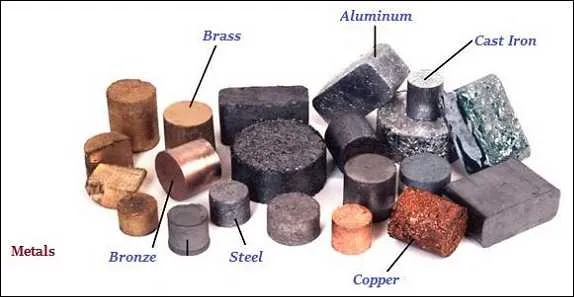
Induction heating works best with conductive materials, such as metals. Non-metallic materials like ceramics and plastics do not conduct electricity sufficiently to generate the required heat through induction. Induction heaters are therefore typically not effective for heating non-metallic objects.
How do I choose the right power setting for my induction heater?
Choosing the right induction heater kW setting depends on the material and the size of the workpiece. Larger or denser materials require higher power settings, while smaller or thinner materials can be heated effectively with lower power. Proper calibration and adjustment of the induction circuit are essential to optimize heating performance.
Get Started with Circuit Induction Heaters Today
If you’re looking to improve your manufacturing processes or need an energy-efficient heating solution, circuit induction heaters are an excellent choice. From portable induction heaters to larger industrial systems, these solutions offer precise control over heating, reduce energy consumption, and minimize downtime.
Contact us today to learn more about how circuit induction heaters can enhance your production capabilities. Whether you need a customized solution for metal hardening, soldering, or other industrial applications, we’re here to help. Request a quote or schedule a consultation to discover the benefits of induction circuits in your operations.
Conclusion
Circuit induction heaters offer a wide range of benefits for industries requiring precise, efficient heating. Whether for large-scale industrial use or portable induction heaters, these systems provide exceptional energy efficiency, speed, and control. By understanding key parameters like induction heater kW and transformer equivalent circuits, users can maximize the effectiveness of their systems. As industries continue to embrace guide to induction heating technologies, the use of circuit induction heaters will remain a cornerstone of high-performance, energy-efficient heating solutions.