Application-Driven Selection

Induction Heating Machines for
Stable, Repeatable Metal Heating

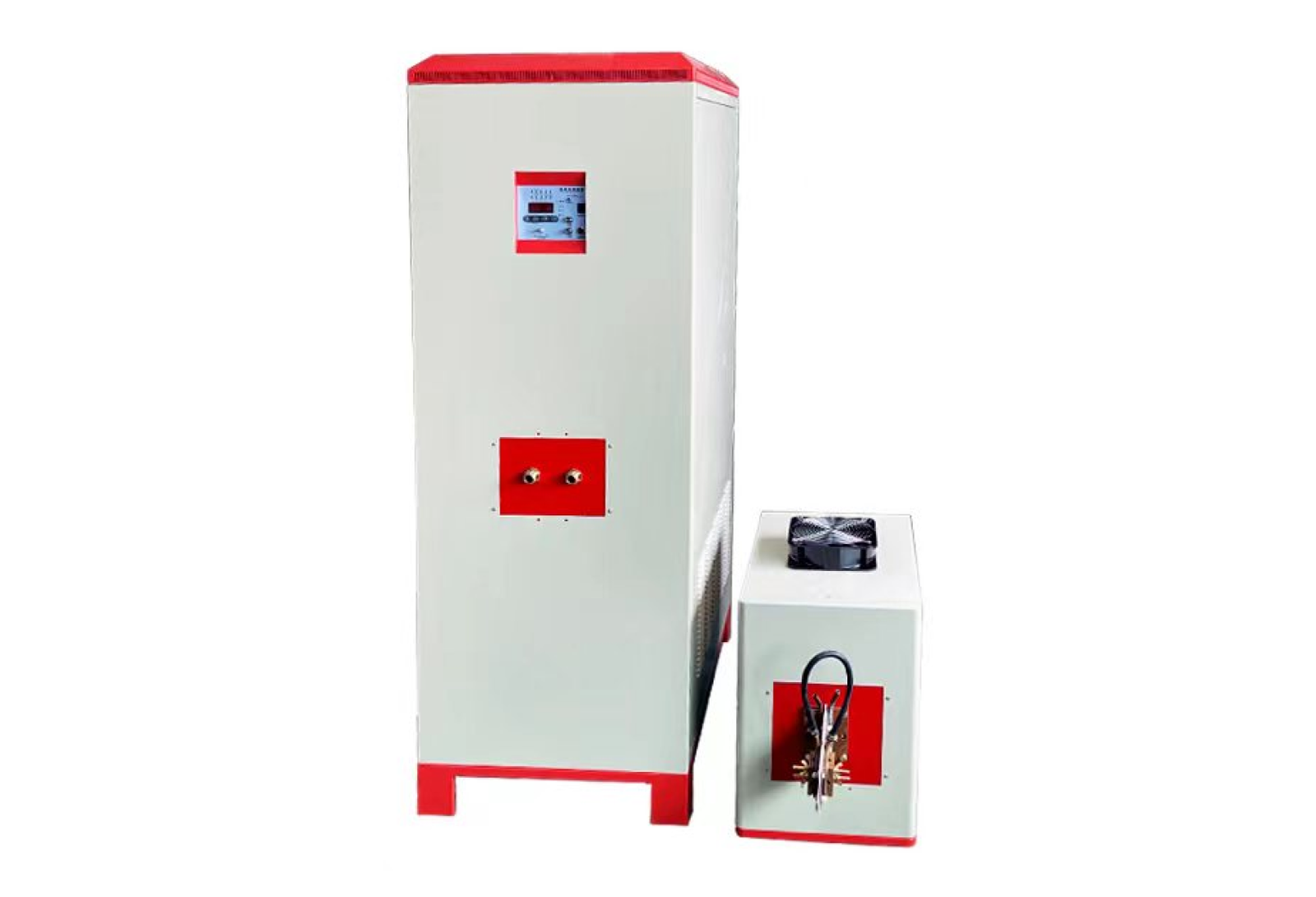
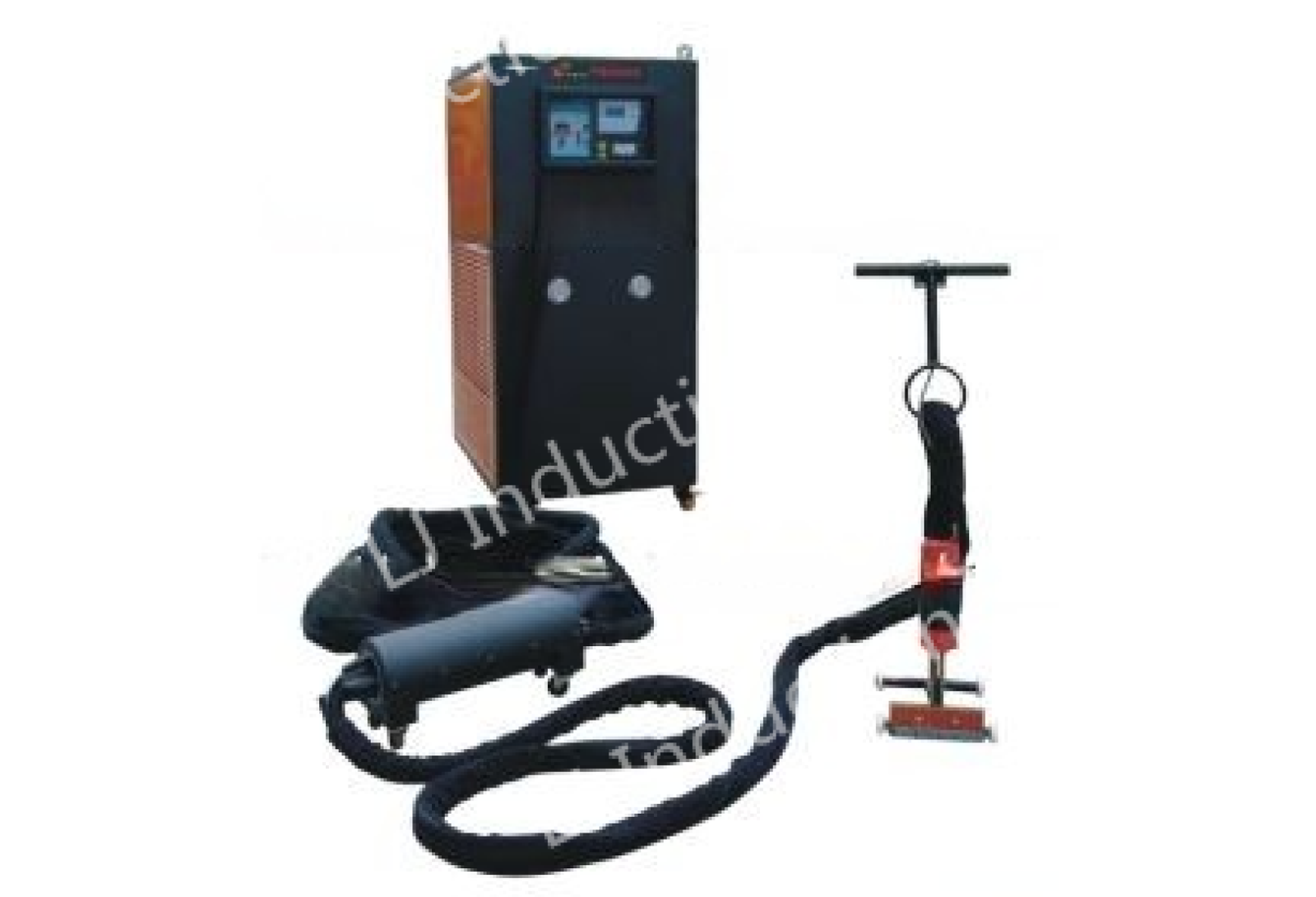
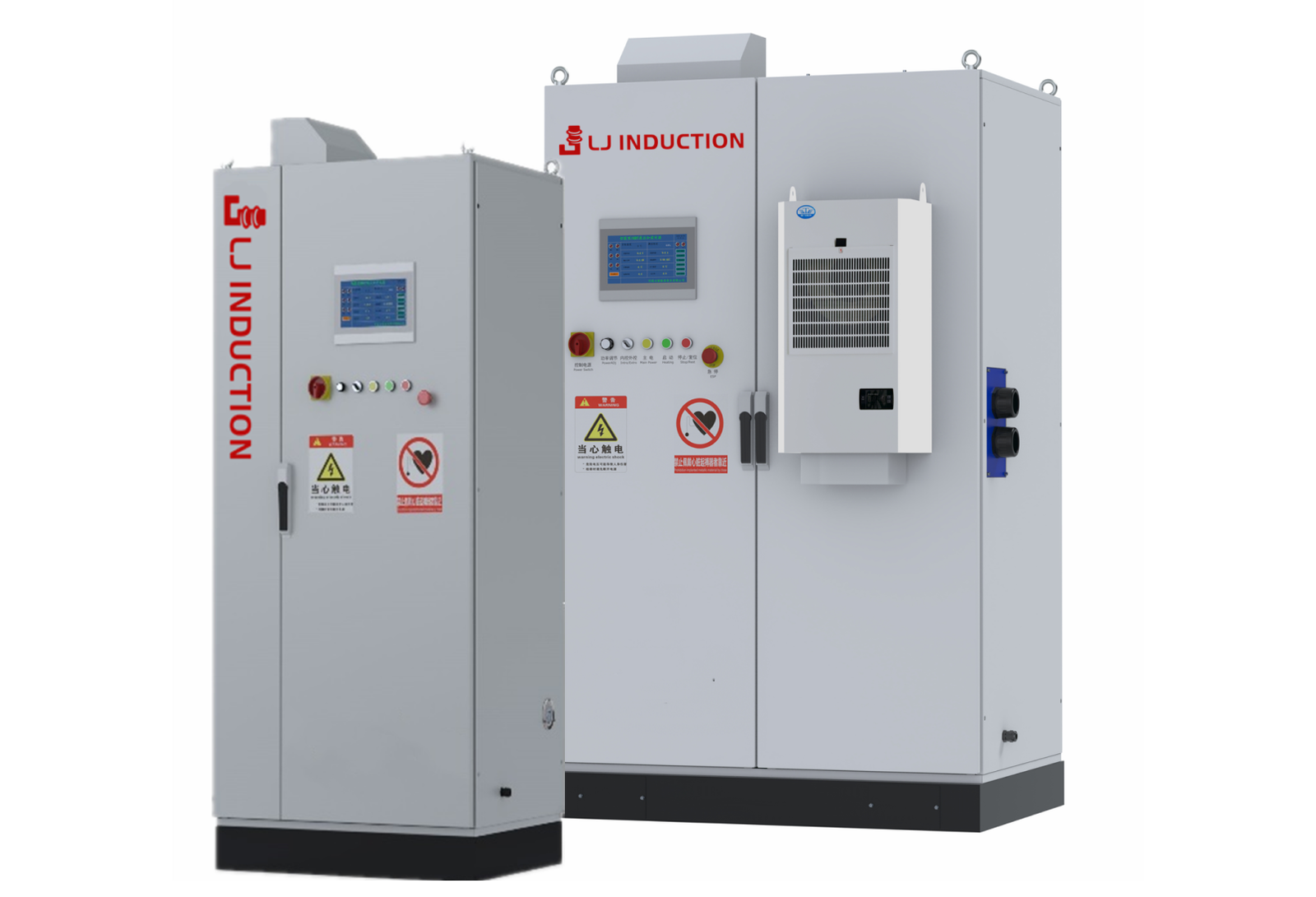
Select the right induction heating machine for forging, hardening, brazing, melting, annealing, tempering and custom automated production. LJ Induction helps you match the machine, power, frequency, coil and control system based on your workpiece and production requirements.
Free Workpiece Testing
Custom Coil Design
Recipe Management
Industry 4.0 Integration
Get Custom Technical Selection →
LJ Induction Heating Machine

New to Induction Heating? Start with the Basics

If you are still comparing induction heating with flame, resistance or furnace heating, read our guide to understand how induction heating works, what materials can be heated, and how power, frequency and coil design affect the heating result.

What Do You Need to Heat?

Don’t start from machine models. Start from your heating goal. Tell us what you want to achieve, and we will guide you to the right machine type.
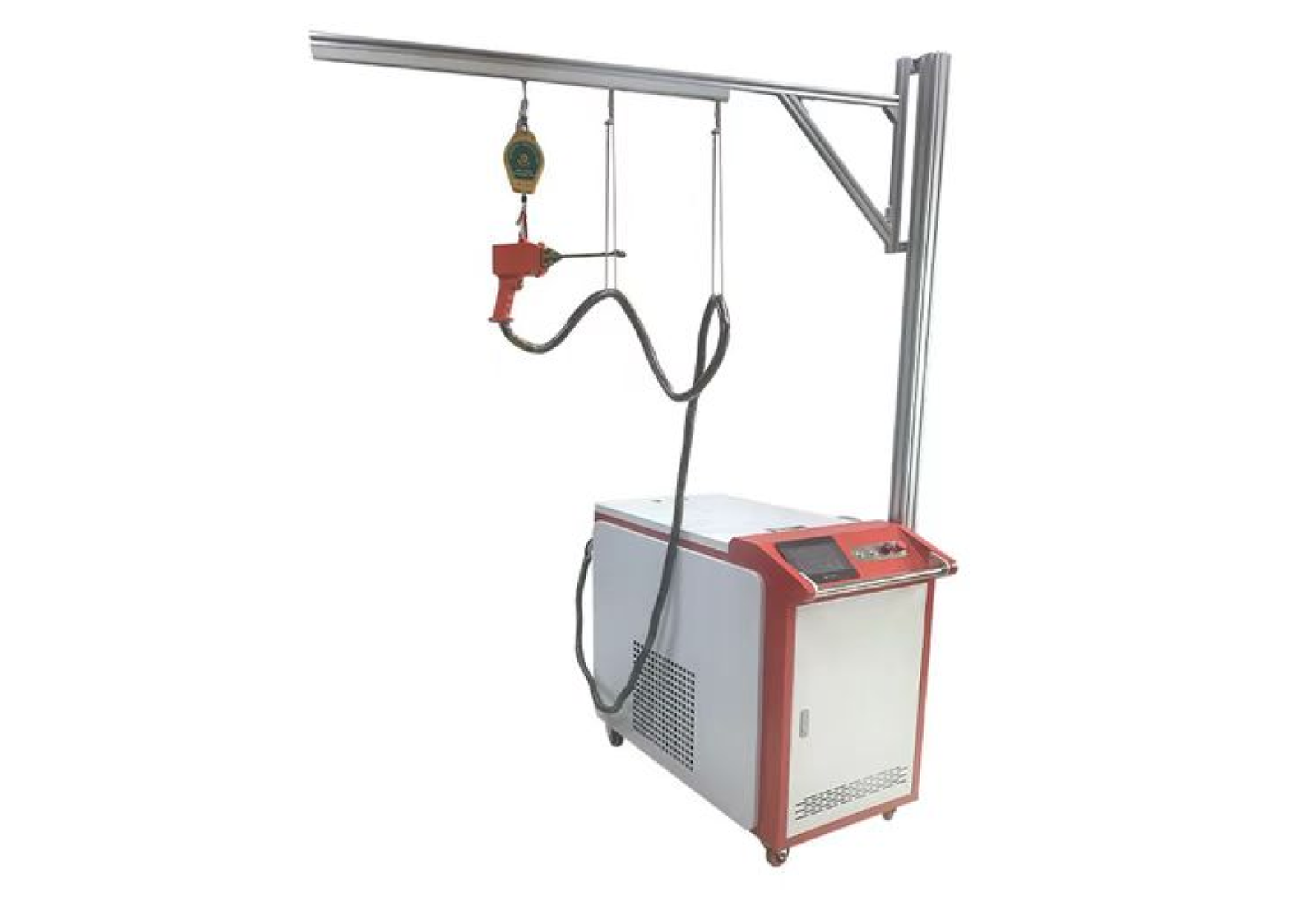
Core Heating Capabilities

Engineered for Your Primary Process

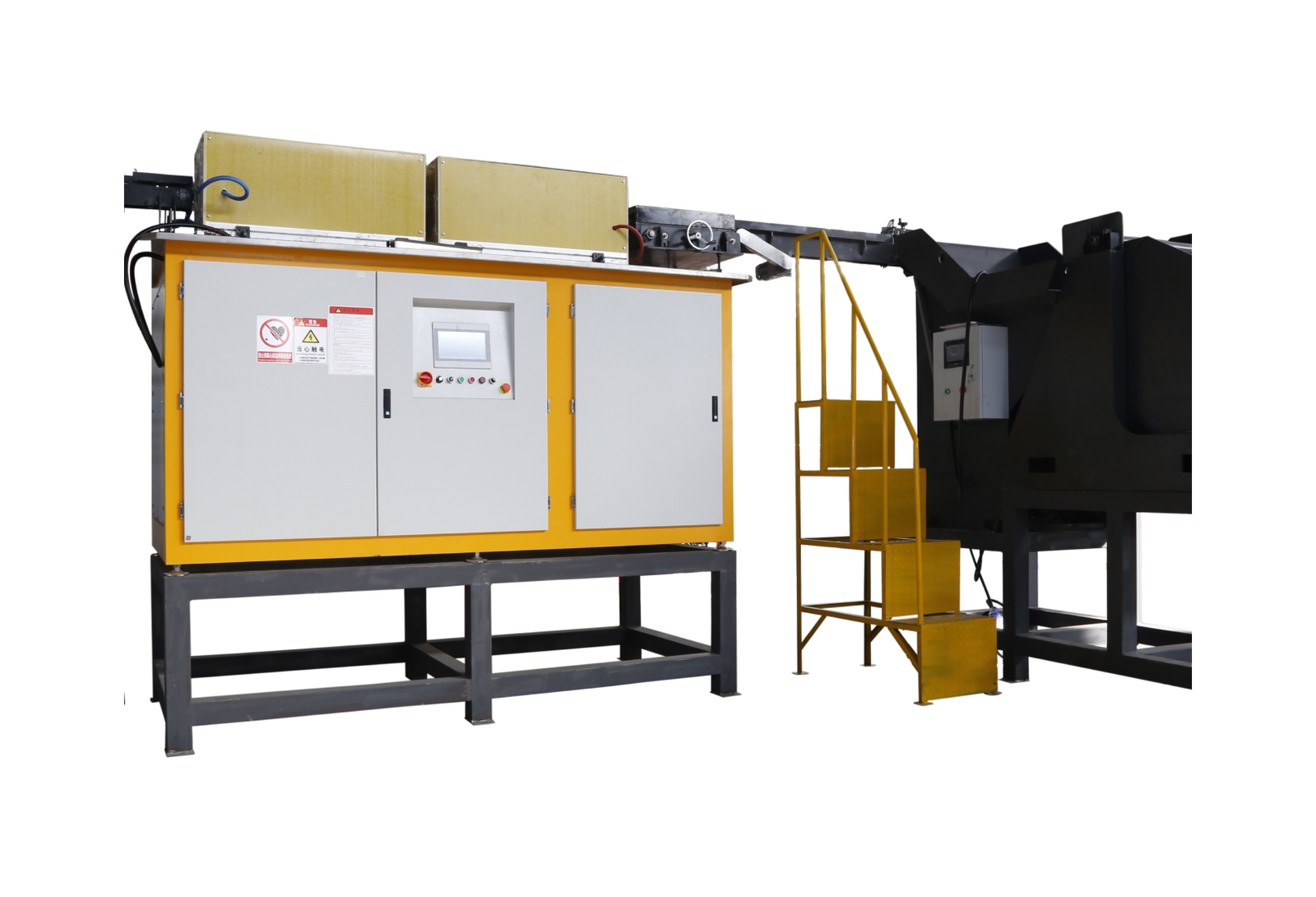
Induction Forging Machines

For fast and uniform heating of bars, billets, rods and fastener blanks before forging, upsetting or hot forming. Power and frequency are selected based on material size, target temperature and production rhythm.

  • Bar and billet heating
  • Fastener hot forming
  • Continuous or semi-automatic feeding
  • Medium frequency / higher power options
  • Stable heating for production rhythm
Typical Parts: bars, rods, billets, fastener blanks
Heating Goal: through heating before forming
Key Factors: material size, temperature, cycle time, feeding method
Support Add-ons: coil design + feeder + cooling system

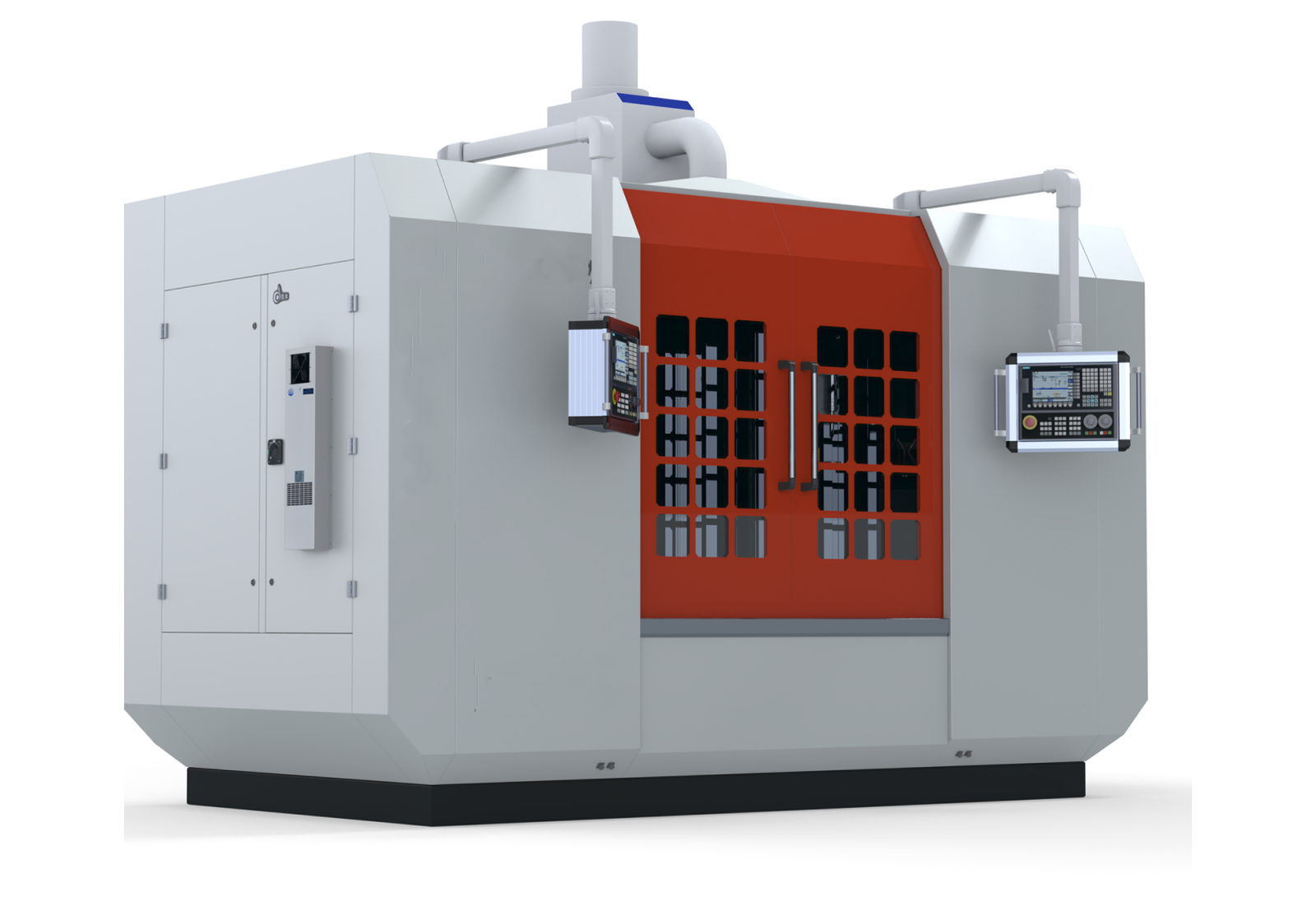
Induction Hardening Machines

For repeatable surface hardening of shafts, gears, pins, bearings and tools with controlled heating depth, stable hardness profile and reduced distortion risk.

  • Controlled case depth
  • Repeatable heating profile
  • Scanner or rotating fixture available
  • Suitable for shafts, gears, pins and tools
  • Recipe-based process control
Typical Parts: shafts, gears, pins, tools, bearings
Heating Goal: surface hardening
Key Factors: heating depth, rotation, scanning speed, quenching method
Support Add-ons: coil + fixture + temperature control

Induction Brazing Machines

For clean, localized and flame-free brazing of copper tubes, carbide tools, connectors, HVAC parts and metal assemblies with less operator dependency.

  • Flame-free joining
  • Localized heating
  • Stable brazing quality
  • Less oxidation than open flame
  • Suitable for copper, brass, steel and carbide assemblies
Typical Parts: copper tubes, carbide tools, connectors, HVAC parts
Heating Goal: brazing / soldering / joining
Key Factors: joint area, filler material, heating speed, coil access
Support Add-ons: custom coil + fixture + temperature feedback

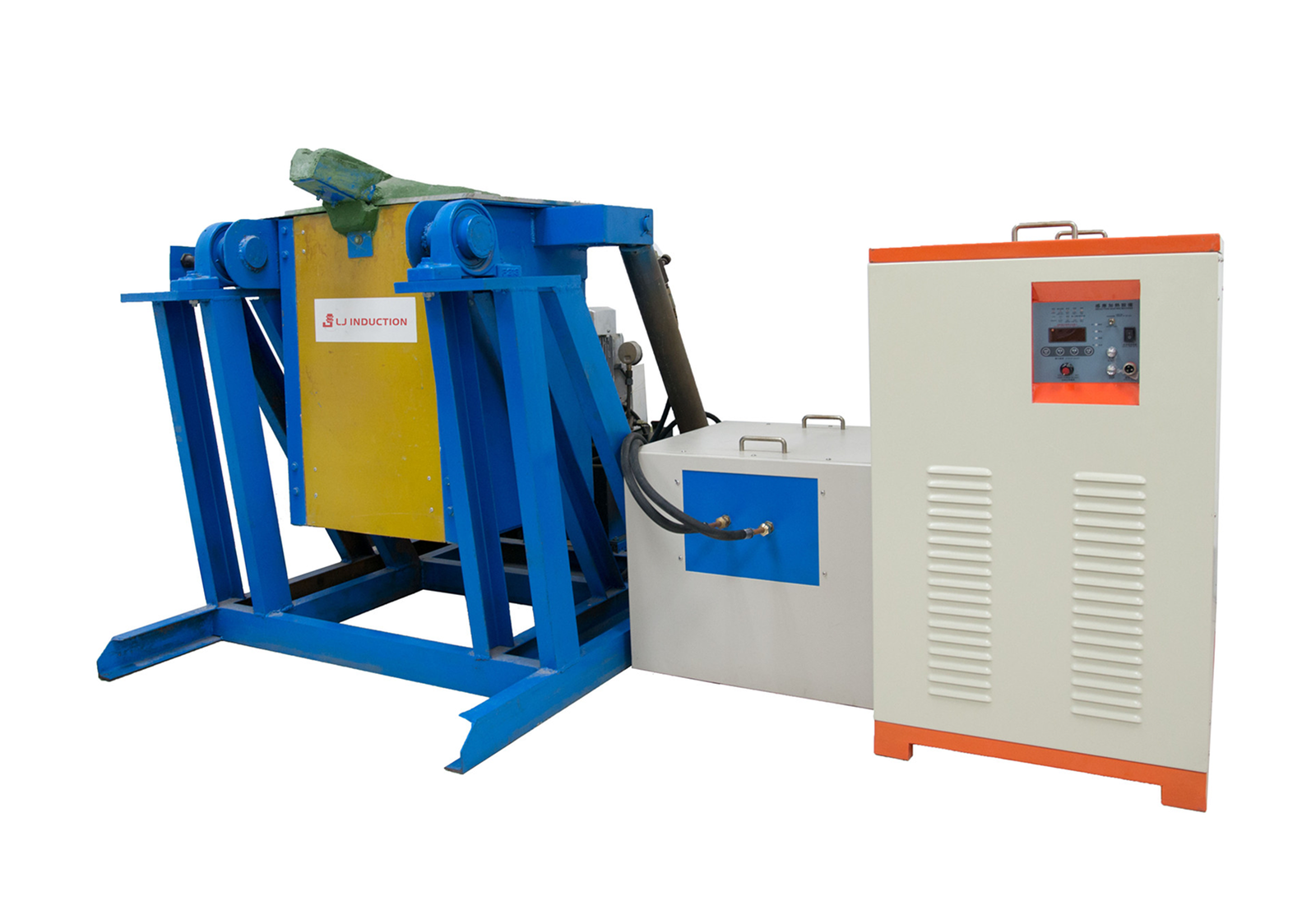
Induction Melting Furnaces

For controlled melting of steel, copper, aluminum, precious metals and alloys in foundry, laboratory and production environments.

  • Ferrous and non-ferrous metal melting
  • Crucible options
  • Foundry and lab use
  • Controlled heating process
  • Suitable for batch melting
Typical Materials: steel, copper, aluminum, gold, silver, alloys
Heating Goal: melting / casting preparation
Key Factors: batch weight, melting temperature, crucible type, power supply
Support Add-ons: furnace body + power supply + cooling

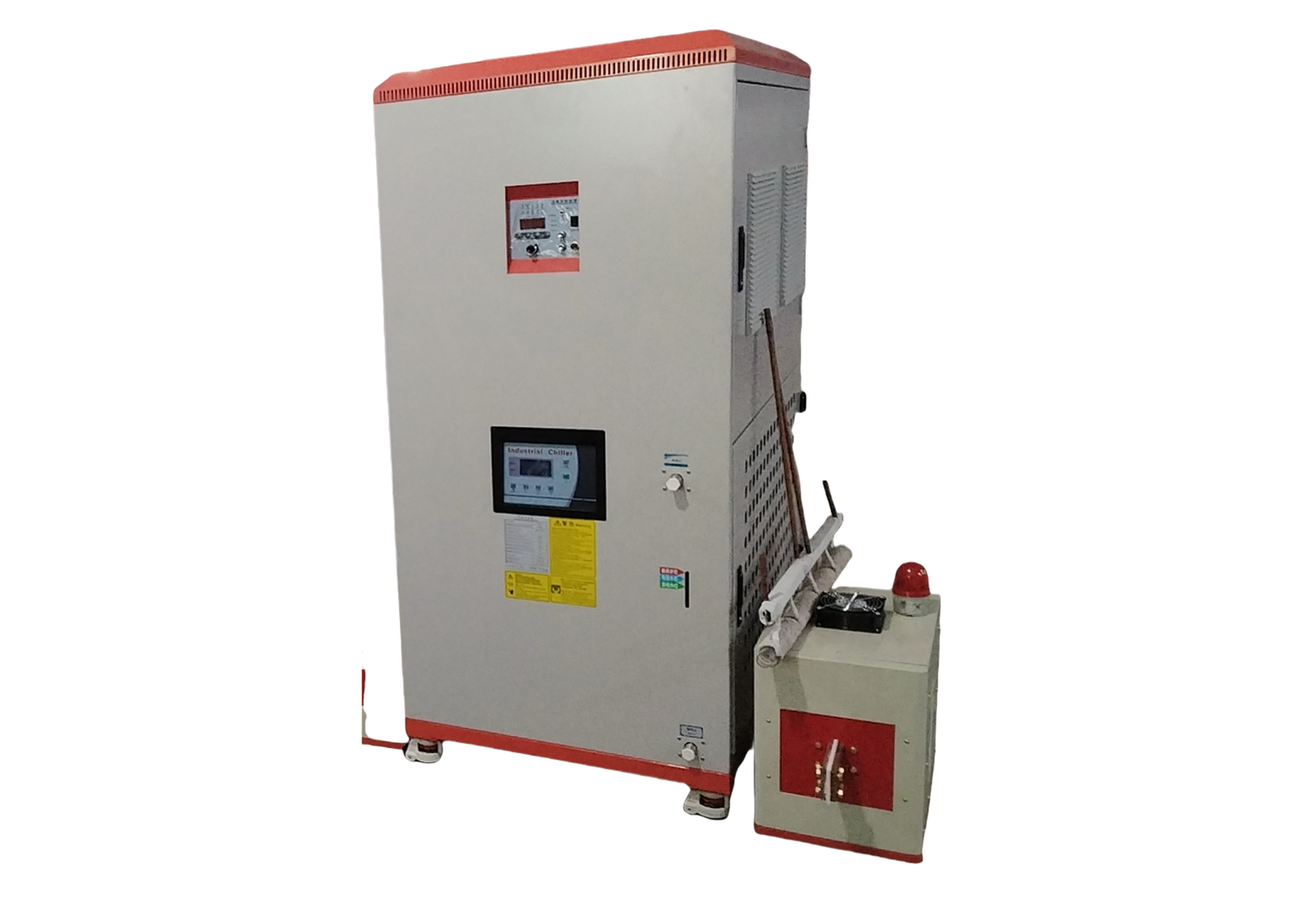
Specialty & Support Solutions

Complementary induction technologies for specific metallurgical and production requirements.

Can Induction Heating Work for Your Material and Part?

Induction heating performance depends on material conductivity, part geometry, heating depth, coil access and production rhythm. Share your workpiece details and we will evaluate the process feasibility before recommending a machine.

Materials We Commonly Heat

Steel Stainless Steel Copper Brass Aluminum Carbide Tools Gold Silver Alloys

⚙️ Typical Workpieces

Shafts Gears Tubes Bearings Bolts Bars Billets Connectors Carbide Tools Pipes Fasteners

Not sure whether your part can be heated by induction? Upload a drawing or photo.
Our engineers will check the material, heating zone and coil access first.

Check My Workpiece Feasibility →

How We Select the Right Machine

A suitable machine is not selected by kW alone. The real heating result depends on the match between power, frequency, coil geometry, cooling, temperature control and production cycle.

ENGINEERING 01

Power Determines Heating Speed

Power is selected according to workpiece size, target temperature, heating time and production volume. Higher power can shorten heating time, but oversized power without proper control may increase overheating risk.

Size + Temp + Time = Power Range
ENGINEERING 02

Frequency Affects Heating Depth

Higher frequency is usually used for smaller parts and shallow surface heating (Skin Effect). Lower or medium frequency is often better for larger parts or deep through-heating for forging.

Lower Frequency = Deeper Penetration
ENGINEERING 03

Coil Controls Uniformity

The coil shape, gap, loading method and fixture design directly affect heating efficiency. Minimizing the gap between the coil and workpiece surface reduces flux leakage and maximizes electrical efficiency.

Custom Geometry = Thermal Precision
ENGINEERING 04

Cooling Supports Duty Cycle

Industrial systems require stable cooling for the power supply and coil. Cooling configuration must match machine power, ambient temperature and continuous working time (Duty Cycle).

Stable Cooling = 24/7 Reliability
ENGINEERING 05

Control Improves Repeatability

Heating can be controlled by time, power setting or PID digital temperature feedback. Our systems maintain ±1% stability, ensuring consistent results between batches via recipe-based management.

PID Feedback = ±1% Stability

Trusted by Industrial Customers Worldwide

LJ Induction has supported stable, high-volume production lines for leading manufacturers across the globe.
Client Logo
Client Logo
Client Logo
Client Logo
Client Logo
Client Logo
Client Logo
Client Logo
Client Logo
Client Logo
Client Logo
Client Logo
Client Logo
Client Logo
Client Logo
Client Logo
Client Logo
Client Logo
Client Logo
Client Logo
Client Logo
Client Logo
Client Logo
Client Logo
Client Logo
Client Logo
Client Logo
Client Logo
Client Logo
Client Logo
Client Logo
Client Logo
Client Logo
Client Logo

* Customer logos are shown where permitted. For confidential projects, we share relevant process experience during technical communication.

Pre-Purchase Technical Clarifications

Get clear answers on machine selection, process control, and production integration.

1. How do I choose the right induction heating machine? +
The right machine depends on your material, workpiece size, heating area, target temperature, heating depth and production cycle. We review these details before recommending machine type, power, frequency, coil and cooling configuration.
2. Can one machine handle different parts? +
Yes, in many cases. Different coils and saved recipes can be used for different workpieces, as long as the parts fit within the suitable power and frequency range of the machine.
3. Can your induction heating machines run continuously? +
For production use, machine power, cooling system and protection design should be selected according to duty cycle, working time and production rhythm.
4. Can you control temperature consistency? +
Yes. Depending on the process, heating can be controlled by time, power setting, recipes or optional temperature feedback. For tighter process requirements, feedback-based control can help improve consistency.
5. How do you reduce overheating or deformation? +
We reduce overheating risk by evaluating coil shape, coil-to-part distance, heating time, part positioning and whether rotation, scanning or staged heating is needed.
6. Can the system connect to automated production lines? +
Yes. Automated systems can support PLC control, I/O signals, RS485 communication, recipe control and Industry 4.0-oriented integration based on project requirements.
7. Can you test my workpiece before I buy? +
Yes. LJ Induction provides free workpiece testing to evaluate heating time, coil fit, temperature response and process feasibility before recommending a machine.
8. Can you design custom coils and fixtures from drawings? +
Yes. Coils and fixtures can be designed according to your drawing, heating area, loading method and production rhythm. This is often the key to heating uniformity and repeatability.
Ready For Evaluation

Tell Us What You Need to Heat

Provide your material, workpiece size, heating target and production requirement. LJ Induction engineers will help you select the right induction heating machine, power, frequency, coil, cooling and control solution.

Please fill out the form below

For a faster evaluation, you can include:

  • Material
  • Part drawing or photo
  • Heating area
  • Target temperature
  • Heating time
  • Production volume
  • Automation requirement

    Haven't Found the ideal induction heating machine?

    We have installed more than 20000+ cases in 30 Years+